

There is a small, habitual moment at the end of every side of vinyl. The music stops. The needle sits in the run-out groove doing nothing in particular. And you have to decide whether to get up.
You do it without thinking. But it is still a decision, and it is the thing streaming took away. Nothing stops. Nothing has to be agreed to. A record stops halfway through and waits for an answer.
Which means the second half has a job the first half does not. Side one only has to be good enough that you get up. What comes next has to justify the trip.
The seven records below all understand this. Some were sequenced that way on purpose. Some ended up that way because of how the music was cut. One of them cheats, and I have left it in deliberately, because what it does instead is better. Either way, these are records where playing only the first half means missing what the album is actually for.
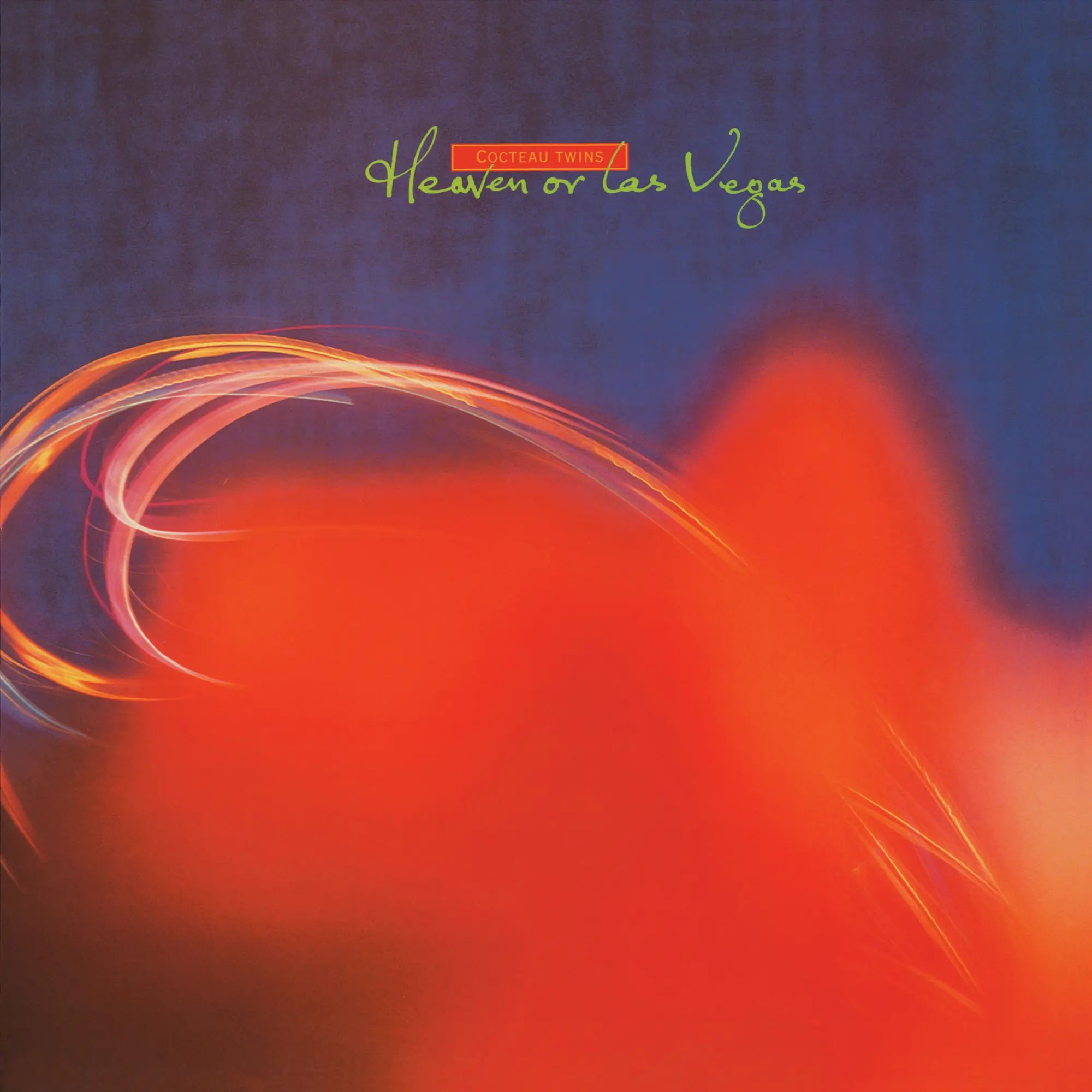
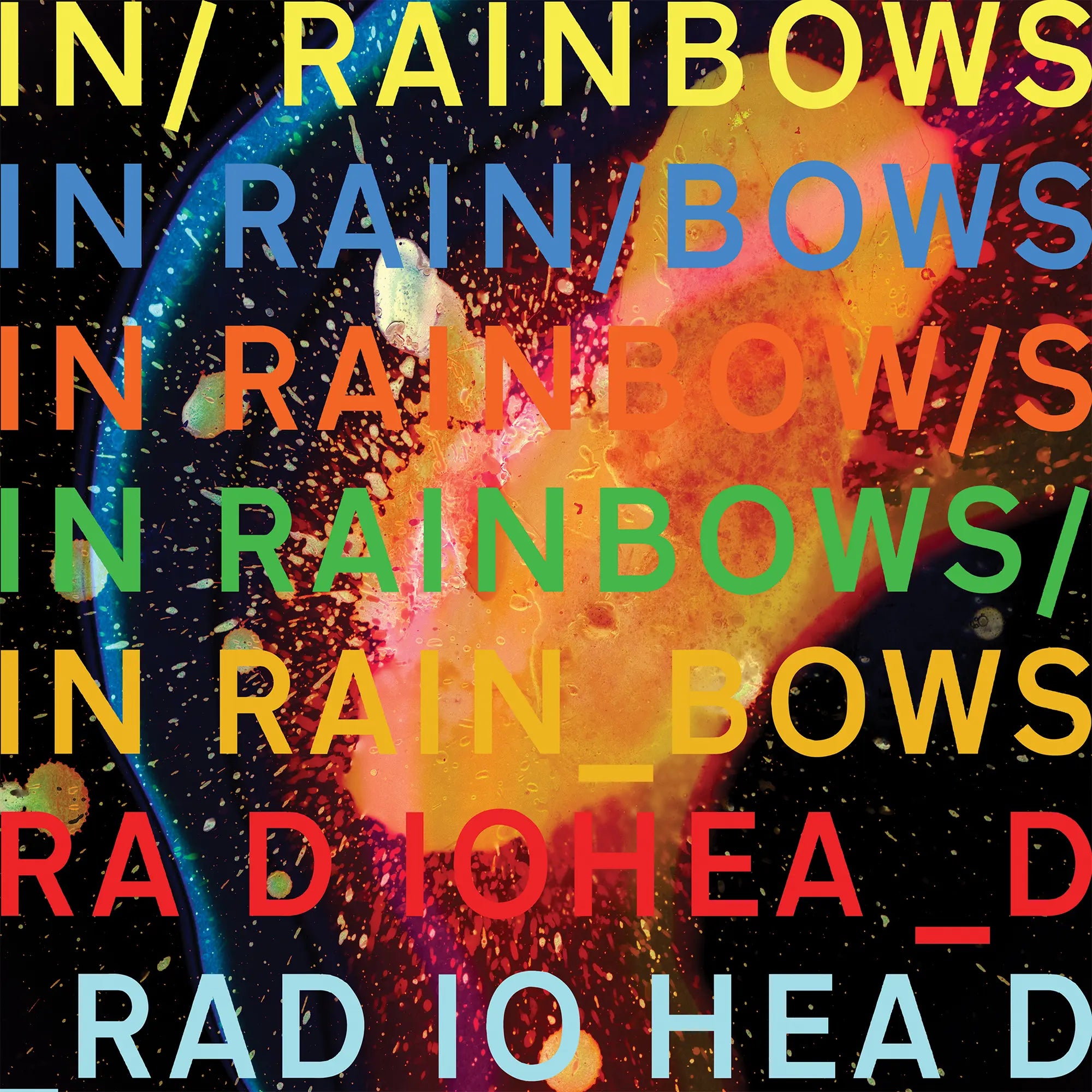
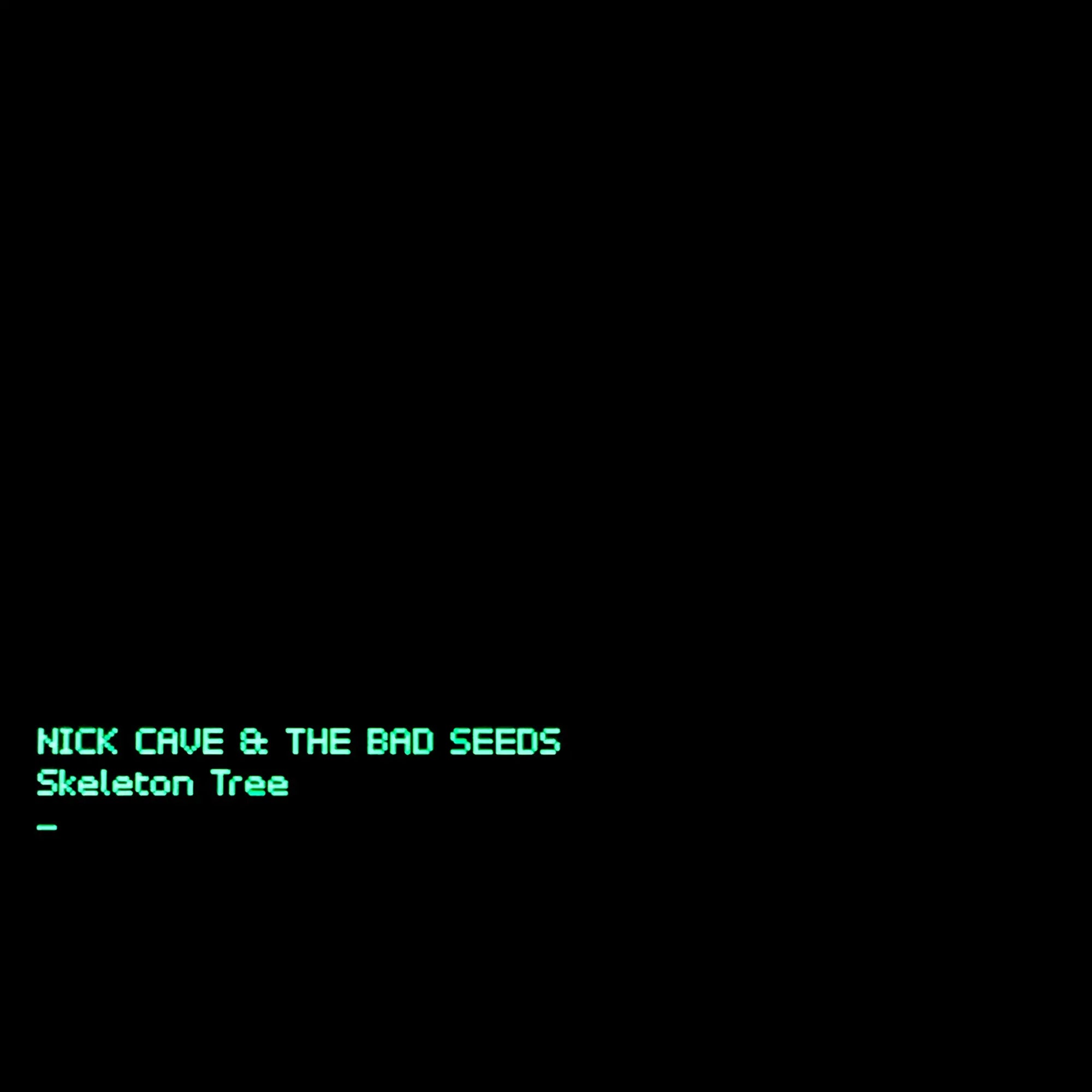
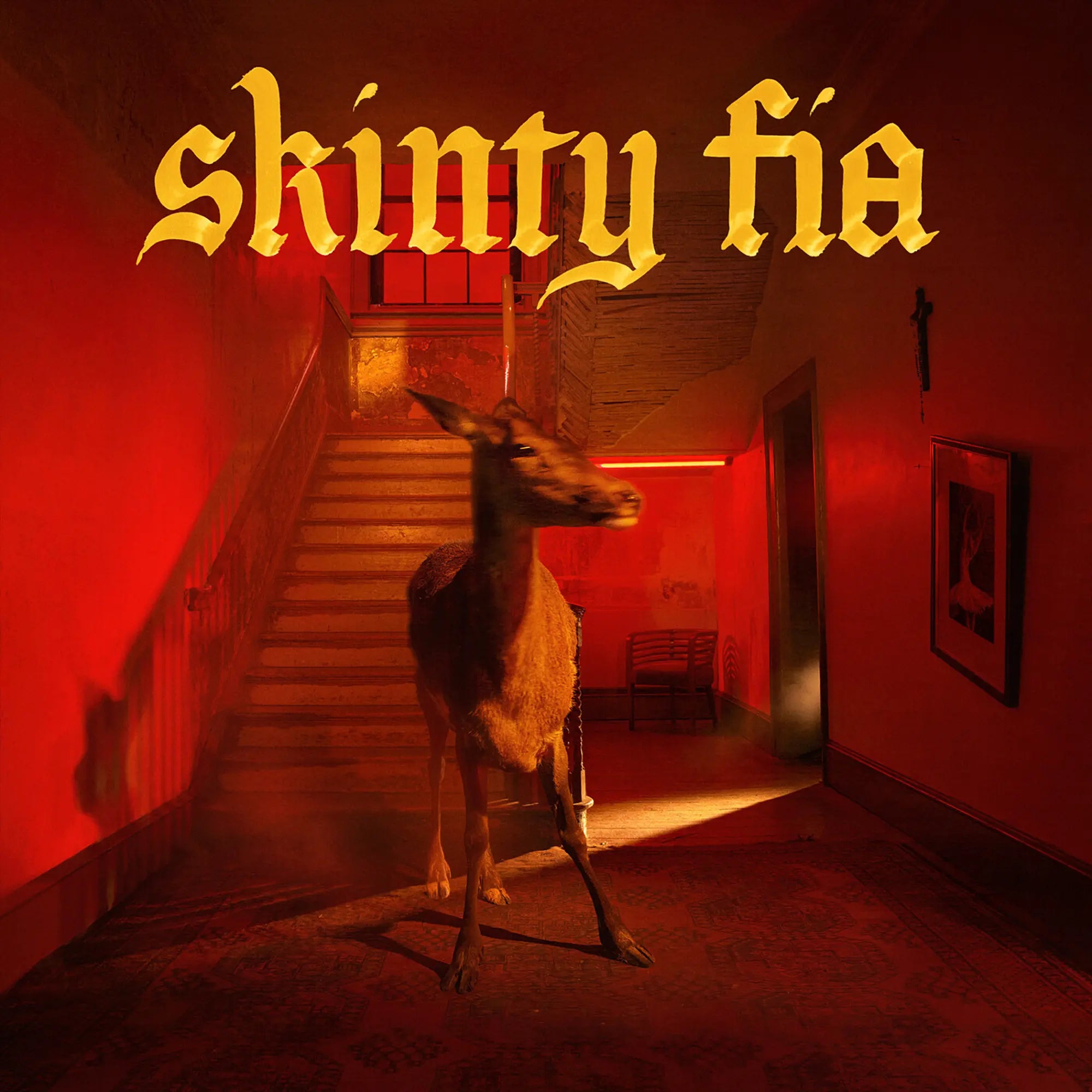


Dirty Three – Love Changes Everything (2024)
Their first album since Toward the Low Sun in 2012, and a record that refuses to be dipped into. There are no song titles here. Six pieces, numbered I through VI, and the numbering is not modesty. It is instruction. This is one thing in six parts, and the parts are in that order for a reason.
Side one does the introducing. Warren Ellis' violin arrives the way it always has, somewhere between a fiddle and an alarm, with Jim White's drums moving underneath in that loose tumbling way that never quite lands where you expect it to, and Mick Turner holding the middle. It is gorgeous. It is also, in hindsight, setup.
The second side is where the record stops describing love and starts behaving like it. The closing piece runs past ten minutes and spends all of them building, and by the end the three of them are playing with the sort of unguarded joy a band only earns after thirty-odd years of knowing each other. It is the last thing on the record and it is the reason for the record. The cover, incidentally, is a Mick Turner painting, which tells you how self-contained this band still is.
Bauhaus – In the Flat Field (1980)
The first full-length album 4AD ever released, out in November 1980, and still about the least comfortable thing on the label's shelf. Five tracks on side one, four on side two, and the imbalance is not an accident.
Side one comes at you hard. Double Dare opens with Peter Murphy daring you to leave, the title track is all scrape and shriek, and by the time Dive has been and gone in a little over two minutes you have a fair idea of what this band can do.
What you do not have yet is Nerves. Side two is shorter, stranger and much slower to arrive at its point, and it finishes with seven minutes of a band coming apart on purpose: Murphy half-speaking, the arrangement thinning out until there is almost nothing holding it up. Nothing on side one prepares you for it, and nothing else on the record needs to.
My Bloody Valentine – Loveless (1991)
Six tracks on side one, five on side two, and the running order is the argument.
Side one is the assault. Only Shallow opens on four snare hits and then the guitars arrive doing the thing nobody had heard before. To Here Knows When is barely a song, more a weather system. It is astonishing and it is relentless, and after twenty-five minutes of it you could be forgiven for thinking the record has shown you everything it has.
Side two is where it starts to move. Come In Alone, Sometimes, Blown a Wish, What You Want, and then the last track turns the whole thing from a sound into a direction. Soon is the only thing here with a groove you could dance to, the shoegaze record quietly arriving somewhere near house music. Brian Eno described it at the time as a new standard for pop, and he was not talking about side one.
Portishead – Dummy (1994)
Everyone knows this record. Fewer people notice how it is split.
Side one is the half that got absorbed into the culture. Sour Times is there, and Wandering Star, and Mysterons opening the whole thing with a theremin wobble that told 1994 something new had turned up. If Dummy stopped at the end of side one it would still be a good album.
It does not stop there. Roads is on side two. So is Glory Box. So is Numb, which opens the second half and was the first single they put out, which tells you where they thought the record's centre of gravity was. Beth Gibbons spends the second side doing the thing she is genuinely famous for, which is sounding like she is being recorded through the wall of a building she has already left.
One note for anyone comparing pressings. Some early pressings carried an eleventh track, It's A Fire, tucked onto the end of side one and not printed on the sleeve. Later pressings dropped it. Side two has been the same all along.
Phoebe Bridgers – Stranger in the Alps (2017)
Here is a fact that only exists if you own the record.
On streaming this album has ten tracks and it ends with You Missed My Heart, a Mark Kozelek song sung from the point of view of a man who has just stabbed someone. It is a strange and brilliant way to end a debut, and for most listeners that is where it stops.
The vinyl has eleven. Side two runs one track longer, and the last thing on it is Smoke Signals (Reprise), which takes the album's opening song and hands it back at the end, quieter. The record closes the circle it opened. On any other format you do not get that at all.
Side one is the half you already know: Motion Sickness, Funeral, Scott Street. Side two is where she stops writing about herself, gives the last word to somebody else's murder ballad, and then folds the whole thing back to the beginning. It is a debut sequenced by someone who had thought hard about what a side is for.
The Cure – Songs of a Lost World (2024)
The best evidence for this whole argument is not on the record. It is scratched into it.
Look at the deadwax on side one, past the last track, in that dead space where the needle sits doing nothing at all. There is a line etched there: THE END OF EVERY SONG. Turn the record over and look at side two. WE SING ALONE.
The sentence does not finish unless you flip it. Own this album any other way and it is not there.
The music holds up its end. Their first album in sixteen years, eight songs cut at Rockfield in Wales, sequenced as a descent. Side one opens with Alone, which Robert Smith wrote after finding an Ernest Dowson poem in an old journal. Side two ends with Endsong, which runs past ten minutes and spends most of them refusing to resolve. But the thing I keep coming back to is the etching. Somebody in that band knew exactly what the flip is, and put a sentence in the one place you can only ever read half of.
Flea – Honora (2026)
This is the one that breaks the rule, and it is worth breaking it for.
The bassist from the Red Hot Chili Peppers made a jazz record. The sensible response is scepticism. The sensible response is wrong. Side one is Flea establishing that he is allowed to be in the room: his own compositions, his trumpet, and a band who did not have to say yes. Josh Johnson producing and playing saxophone, Jeff Parker on guitar, Anna Butterss on bass, Deantoni Parks on drums. Thom Yorke sings on Traffic Lights. It is careful in the way first records by nervous people are careful, and the nerves are part of why it works.
Then it keeps going. Fifty-one minutes spread across two records, and side two is only two tracks long, a short breath in the middle of the thing. The payoff is not there. It is on side three, where all four covers sit together in a row. Funkadelic's Maggot Brain, reworked. Jimmy Webb's Wichita Lineman, with Nick Cave delivering it like a man reading a letter he was not meant to open. Frank Ocean's Thinkin Bout You. Ann Ronell's Willow Weep for Me, which was old before anyone in that room was born. Side one is Flea proving he can play. Side three is Flea proving he can listen, which is the harder skill and the better half of the record.
Then you turn it over one last time and there is nothing there. Side four carries no music at all, just a screen print. The record makes you get up one final time for a picture, which is either a joke or the most confident thing on it.
There you have it. Seven reasons to get out of the chair on a Sunday afternoon.